Fighting To Free Unlawfully Detained Immigrants
We are proud of our long tradition of handling complex, humanitarian-based immigration applications. In 2026, we expanded our already robust pro bono immigration work even further — equipping associates to argue in federal court, and bringing the kind of quick, creative advocacy that this ever-changing legal landscape requires.
Habeas petitions have become one of the most effective tools for challenging unlawful detention. We have embraced that strategy, expanded our docket and our leadership, and built an impressive track record of courtroom victories along the way.
Reuniting a widowed mother with her children
Special counsel Shira Sandler still remembers the exact moment she decided to give up her Memorial Day weekend to help a pro bono client from El Salvador with a habeas petition.
The client, a widowed mother of five children, was arrested in New York City when she presented herself for a scheduled immigration check-in. Three of her children are US citizens, and all five have special health needs. Meanwhile, their grandmother had stepped in to care for them — but they weren’t doing well. As summer approached, one of the client’s sons, who has insulin-dependent diabetes, had to be hospitalized. With the school year ending, he would soon lose access to care by the school nurse, and his health was clearly at risk.
Shira, a new mother herself, immediately volunteered on the case. “The details of the situation tore at my heartstrings,” she said.
Shira’s response didn’t surprise pro bono immigration attorney Jackie Pearce: “I knew when I started that the firm had a longstanding commitment to immigration pro bono work. But what has been deeply inspiring to see over the last year is how game our associates are to raise their hands and use their skills to protect and fight for some of the most vulnerable communities.”
Despite the occasional missed holiday weekend, Shira says the benefits are well worth it: “We’re working on incredibly important cases with substantial issues — issues that are at the forefront of Supreme Court hearings today,” she said. Shira especially appreciates the opportunity to get courtroom and writing experience and the chance to manage cases and work directly with clients. Associates also learn the consummate courtroom skill — thinking on their feet — when cases take a dramatic turn and require quick action, as they often do. In this case, the team learned that their client was on her way to the New York area from Texas, temporarily transferred to the area to testify in a related proceeding. That provided a narrow window of opportunity for them to file a habeas petition in federal court — a formal request asking the court to review whether a person's detention or imprisonment is unlawful. When a petition is filed on behalf of a detained individual, the government must justify the basis for the detention. Habeas has become a critical backstop as immigration arrests have risen dramatically.

In the mother’s case, time was of the essence, and our team knew that they had to file the petition the instant their client touched down in New York or New Jersey. “We mobilized to file a District of New Jersey-based petition on the client’s behalf and the judge quickly ordered ICE not to remove her from New Jersey while her case was pending,” Shira recounted. The team, which included associates Basem H. Besada, Deborah Merino, Jonathan A. Picado, Kathryn Sachs and Garrett Shor, pro bono attorney Mindy Johnson and supervising partner Ilan T. Graff, also learned about the diabetic son’s health issues, and the urgent need for his mother to take over his care. They prepared a Lucas motion arguing for the client’s immediate release and filed it on her son’s last day of school.
In mid-July, the court granted that motion, and ordered the client released, with the judge writing that “the Petitioner’s current detention is creating serious medical danger for her son.”
“The timing was so tight and there were so many moving parts,” said Basem. But the case drew on a broad set of skills. “We didn’t start with substantial knowledge in this area, but between the research and writing, delving into a judge’s history and tailoring our arguments for them, and figuring out what courts find persuasive, we can now bring all these skills to our everyday practice.”
Perhaps that’s why so many associates are eager to delve into this work. “If you want substantive litigation experience, experience that’s tough to get in your early years at most big law firms, you’ll get it doing this work at Fried Frank,” Basem said.
Freeing a client detained during a traffic stop
Habeas petitions were also not on associate Elizabeth J. Kalanchoe’s radar when she joined Fried Frank in 2018. Now an eighth-year associate, she started out “pinch-hitting” on habeas pro bono work, by helping colleagues behind the scenes on an as-needed basis. “Now, I’m on the front lines,” she says, estimating that she has handled 50 or more pro bono cases since joining the firm. Elizabeth admits that she was nervous about taking on this unfamiliar area of work, at least at first. “It’s a complex area of law, plus you’re dealing with matters that have a huge impact on a client’s life,” she says.
The cases have been just as challenging as she expected, with immigration policies and rules constantly changing. “The work has really broadened my horizons.” Now, far from feeling anxious, Elizabeth says the victories feel “vindicating.” She cites the case of a husband and father of three who was detained on September 10, 2025, after a racially motivated traffic stop. “He was on his way home from work in Maryland in his truck, he was stopped by ICE with no cause, handled very roughly and restrained, then put in a detention center in Louisiana.”
The team had a dual strategy. In addition to filing a habeas petition, they prepared for a bond hearing, which meant assembling a packet with letters from the community attesting to the client’s character.
This strategy and teamwork paid off: the judge granted the bond hearing. The team then found a bond fund to pay the bail and connected with an organization that sent someone to pick the client up in Louisiana at the detention center, drive him to the bus station and get him on his way home.
In the end, the government failed to present any evidence, the case was terminated and the client was home with his family by Christmas. “In detention, he was staying in a room with 100 people; the lights were always on, and he just looked so tired,” Elizabeth recalled. “What a contrast to when he was home, with a haircut, looking so happy with his family.”
Fighting for an asylum seeker detained without due process
The chance to take an active role in cases like these is part of the reason why, when associate Madeline Kane graduated from law school, Fried Frank was the only firm she considered, largely because humanitarian immigration, including services for asylum seekers, had long been central to our pro bono program.
One recent asylum case came about when one of our clients was released from a detention center, and mentioned that her friend, a woman from the Republic of Georgia, had been imprisoned there for two years and counting. “When I first heard her story, the details were so horrible, I wasn’t even sure it could be true,” said Madeline. The client had fled her home country after being violently attacked for being a lesbian. She made her way to the US border, but when she presented herself to immigration officials, she was immediately detained and flown to a detention center in Texas, where she remained for two years with no charges against her and no sign of being released.
This particular client, it turned out, had already filed a habeas petition in Texas with a court-appointed lawyer. The team began advocating with ICE to get her released with supervision. Then, a curve ball: Word came that the client had been transported in the middle of the night to another facility, a notorious detention center in El Paso, on the other side of the state. Worse, they learned that she would soon be deported to Moldova, a “third” country that the client feared would be just as intolerant of LGBTQ+ people as those in her home country.
Madeline and her colleagues immediately sprang into action, scrambling to put together an emergency petition for a temporary restraining order. “On the tenth day, I argued before the judge that it would violate the client’s rights and US immigration laws if she was deported without an opportunity to explain her circumstances.” The judge ordered a preliminary injunction, then made the initial relief he’d granted permanent, preventing the client’s removal to Moldova without further process, although the client remained detained.
But the fight was not over. Within a few weeks, Madeline found herself on the receiving end of a late-night phone call, with the news that the government was trying to put her client on a plane to Moldova, in apparent defiance of the court’s order. “We called every contact we knew within ICE to let them know that they were about to violate a court order. It was pretty stressful,” Madeline recalled.
The barrage of emails and calls was successful: the client was not sent to Moldova, and the government was given one month to justify the cause for why she had been continuously detained for two years. That deadline came and went without a response. “On June 4, which happens to be my birthday, she was released,” Madeline recounted.
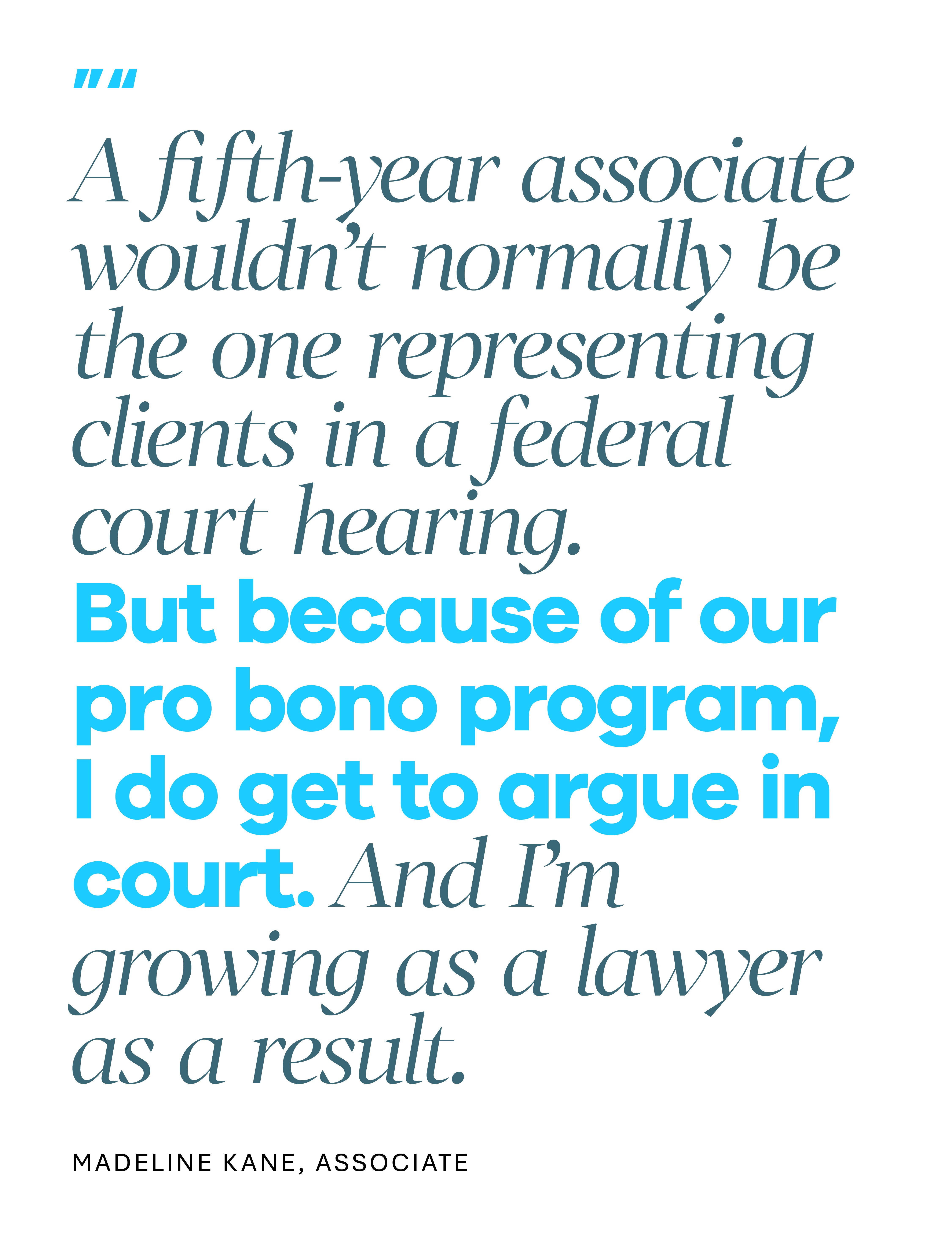
Looking back, Madeline says the work has shaped her both as a lawyer and a person. “I’m doing exactly what I wanted to be doing when I decided to become a lawyer,” she said. “At a big Wall Street firm, a fifth-year associate wouldn’t normally be the one representing clients in a federal court hearing. But because of our pro bono program, I do get to argue in court. And I’m growing as a lawyer as a result.”
These three cases represent just a fraction of the habeas matters we handled in 2026. Looking ahead, we remain committed to ensuring that detained individuals receive the due process the law demands — and that our lawyers develop into formidable advocates along the way. We are expanding our docket, training more associates in federal litigation and deepening our partnerships with organizations on the ground.
In addition to the individuals mentioned above, partners Emilie B. Cooper, Ilan T. Graff, Stephen M. Juris, C. Dabney O'Riordan, Katherine St. Romain and Michael P. Sternheim, and special counsel Justin J. Santolli also supervised our pro bono immigration work this year.
-

Emilie Cooper
Partner
-

Ilan T. Graff
Partner
-

Stephen Juris
Partner
-

C. Dabney O'Riordan
Partner
-
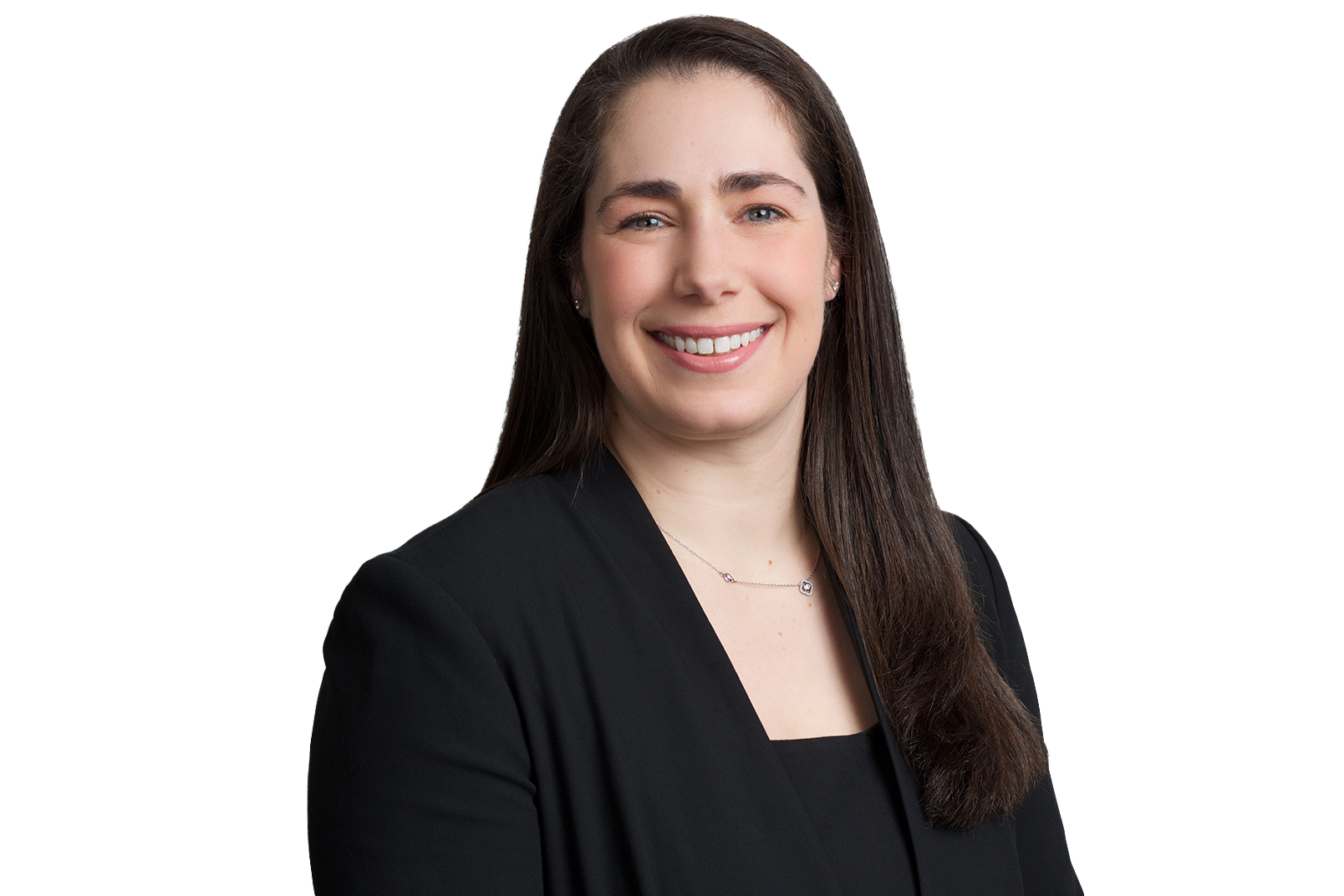
Katherine St. Romain
Partner
-

Michael P. Sternheim
Partner
-
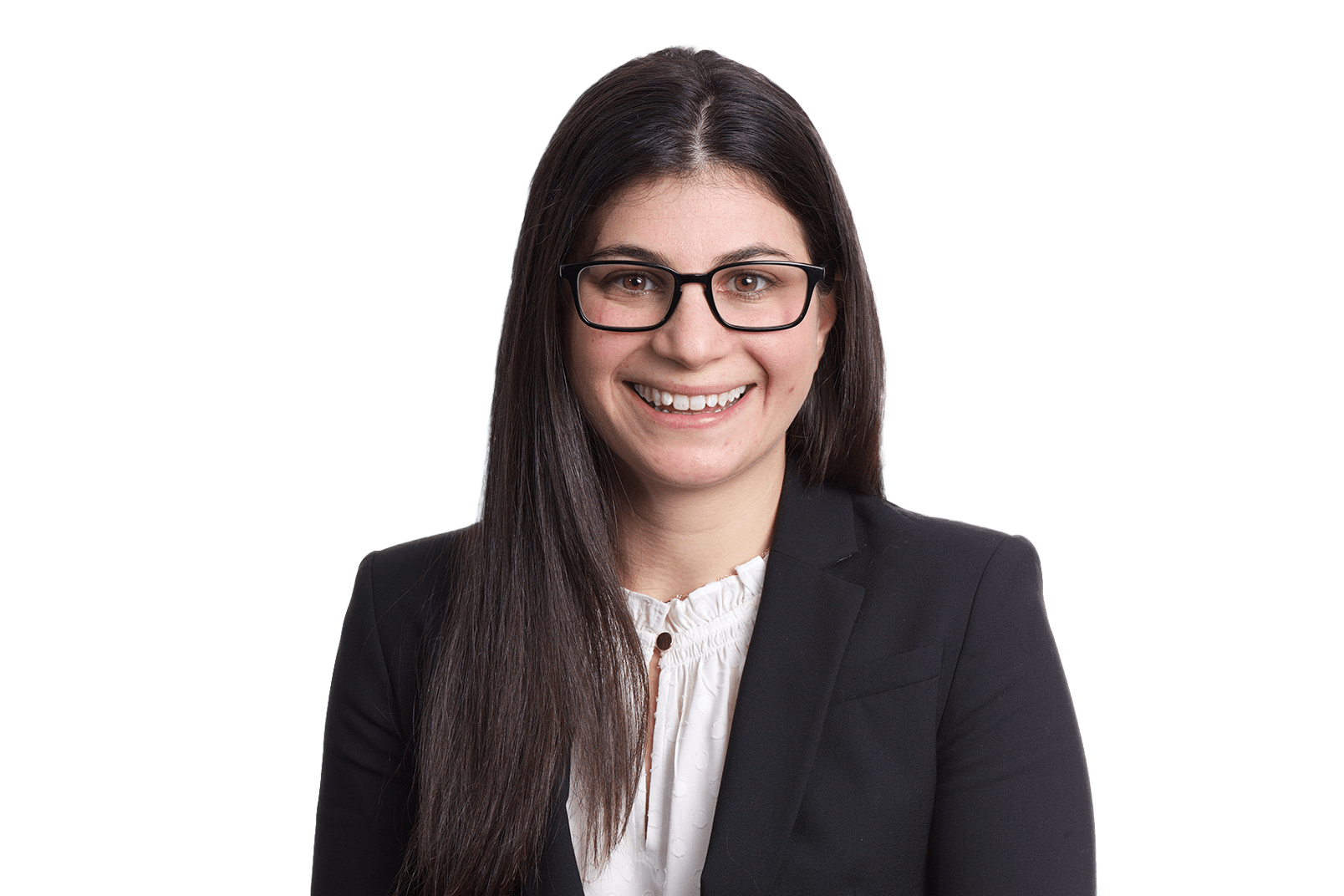
Shira Sandler
Special Counsel
-
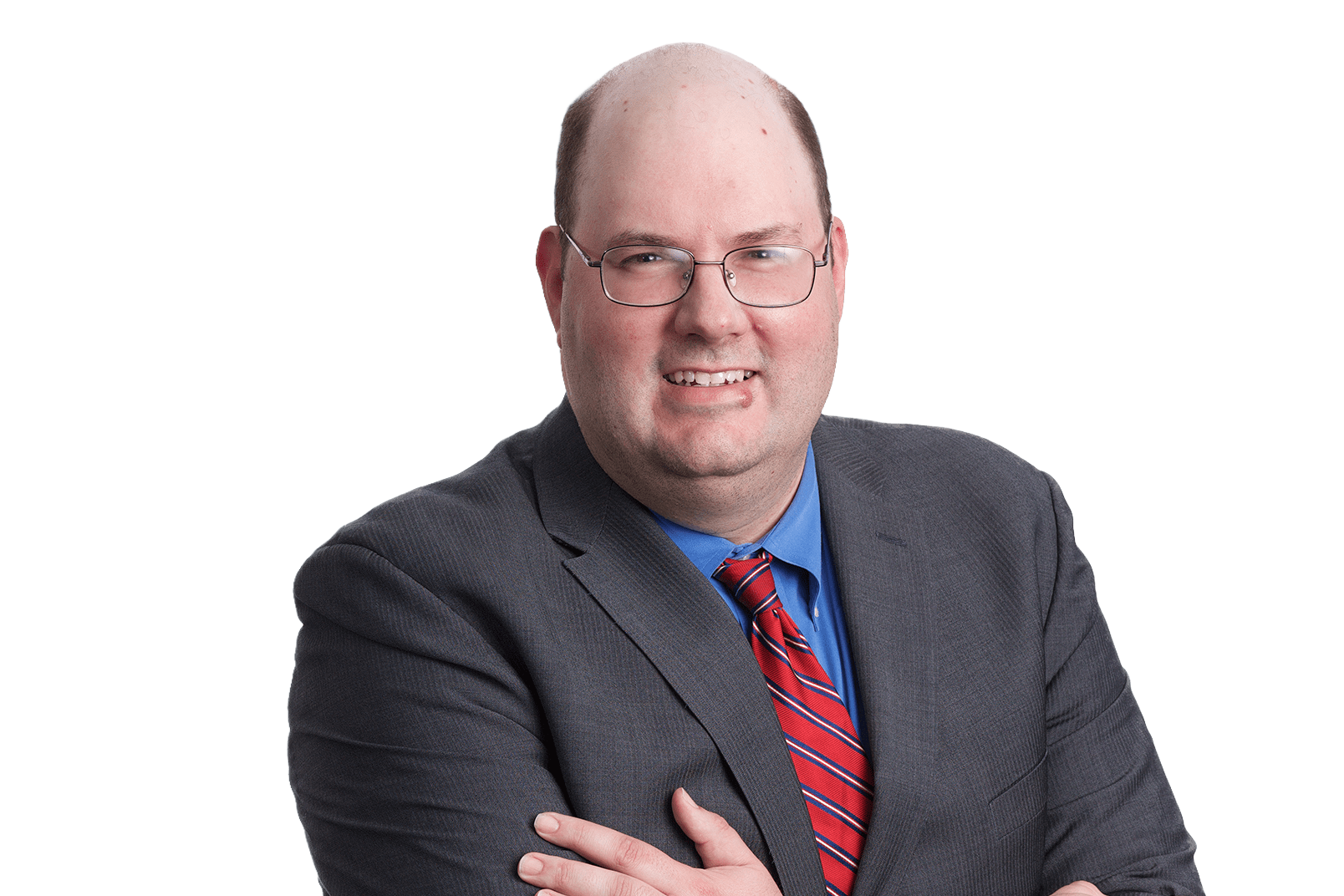
Justin J. Santolli
Special Counsel
-

Mindy Johnson
Pro Bono Attorney
-
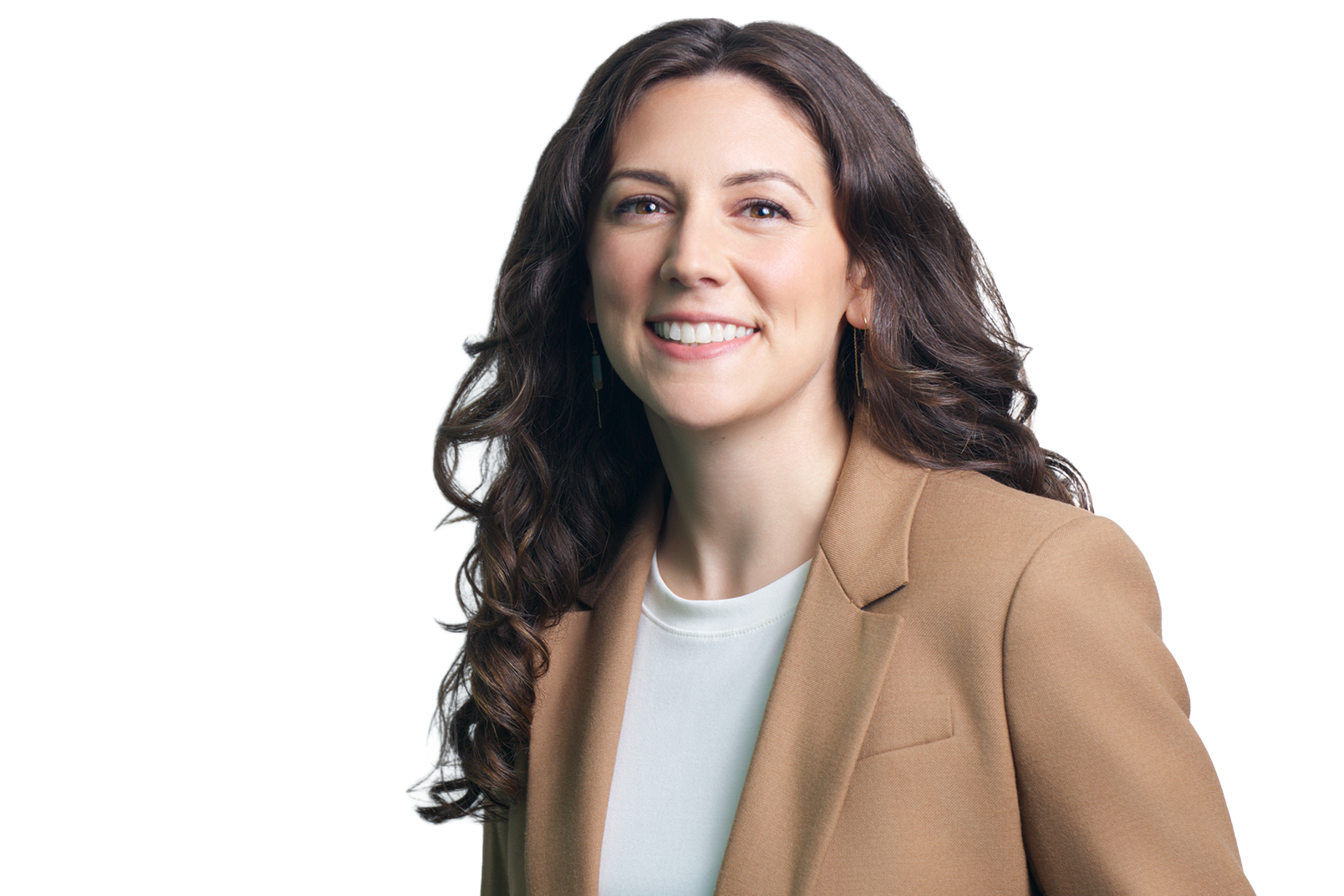
Jackie Pearce
Pro Bono Immigration Attorney
-
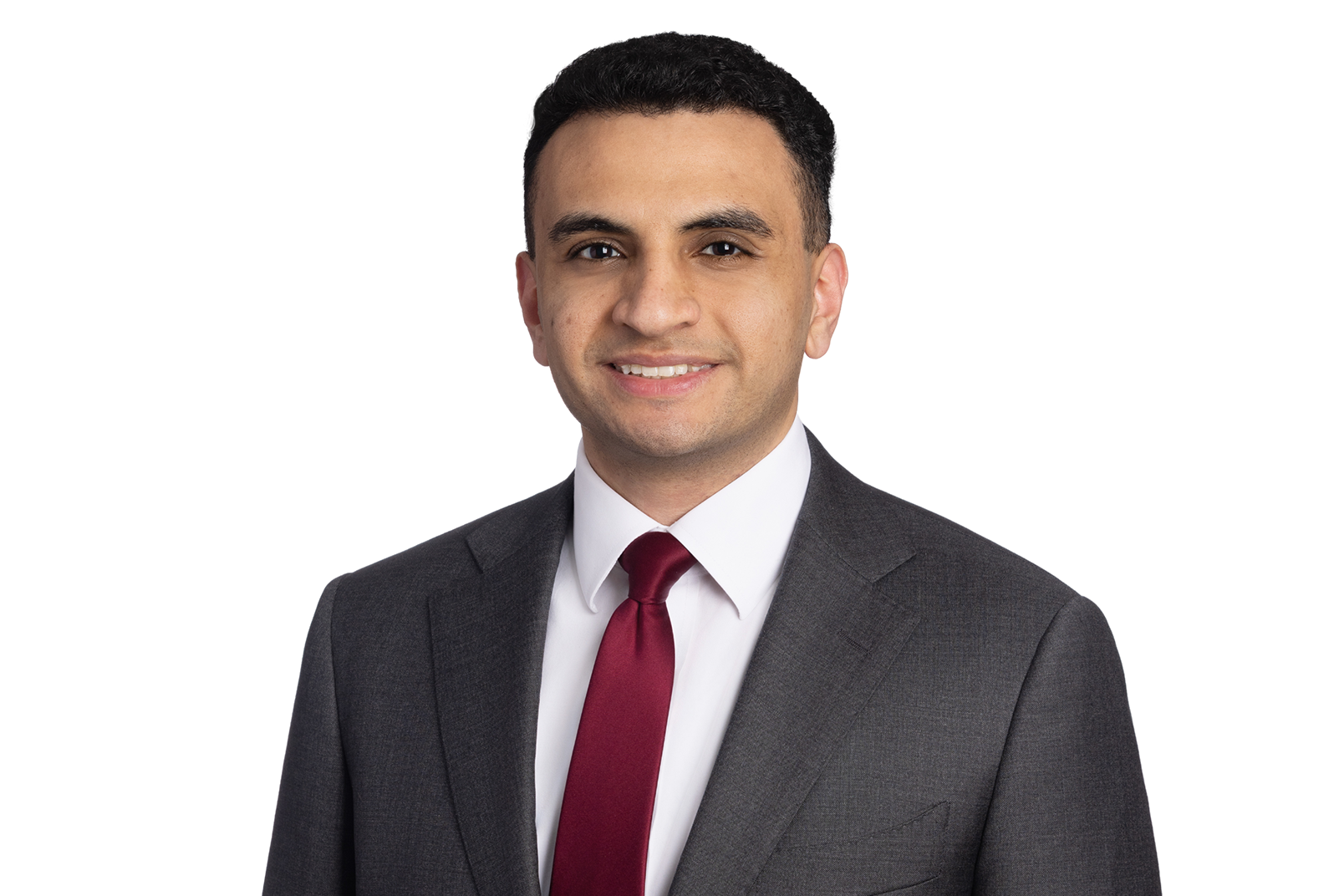
Basem H. Besada
Associate
-

Elizabeth J. Kalanchoe
Associate
-

Madeline Kane
Associate
-

Deborah Merino
Associate
-
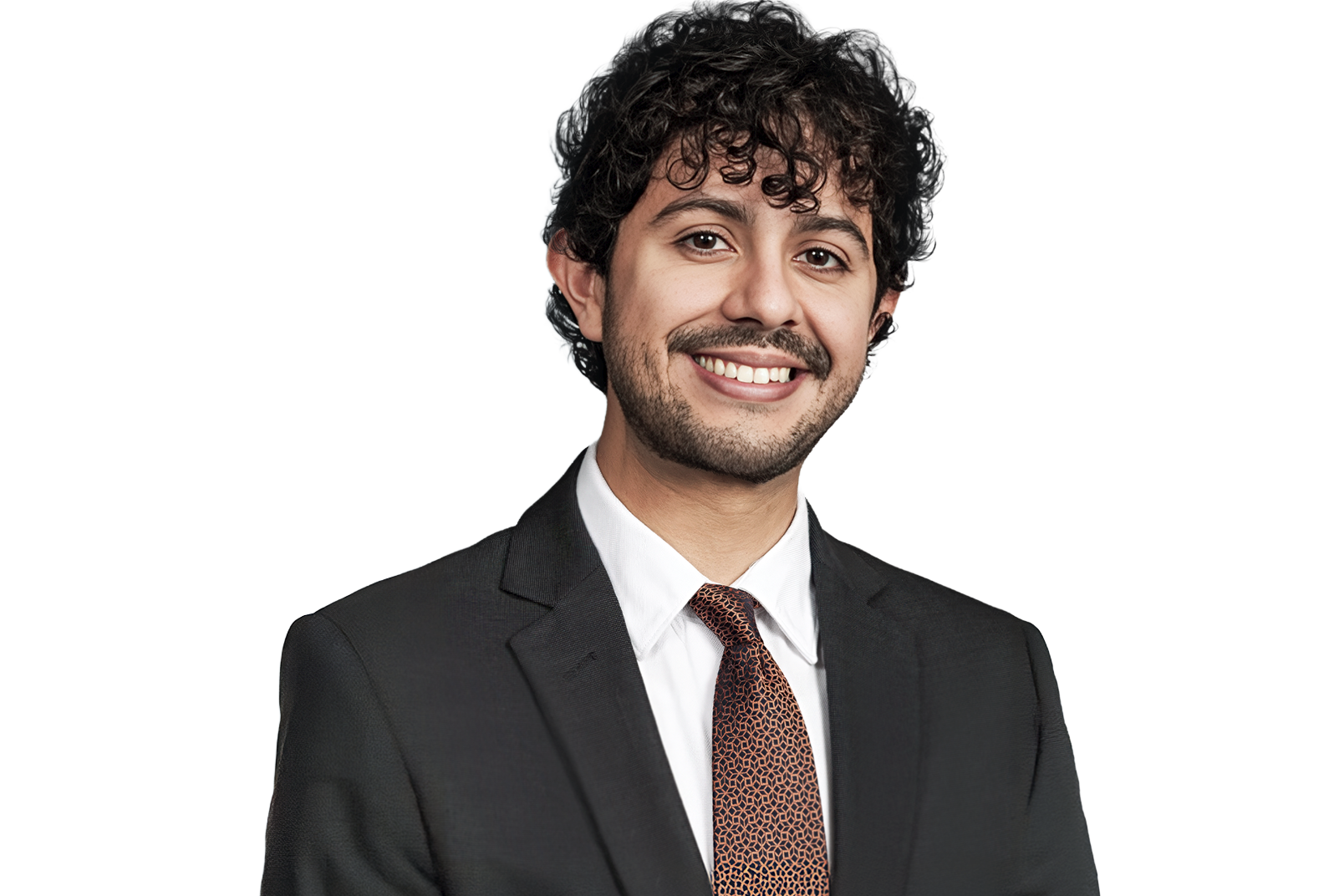
Jonathan A. Picado
Associate
-
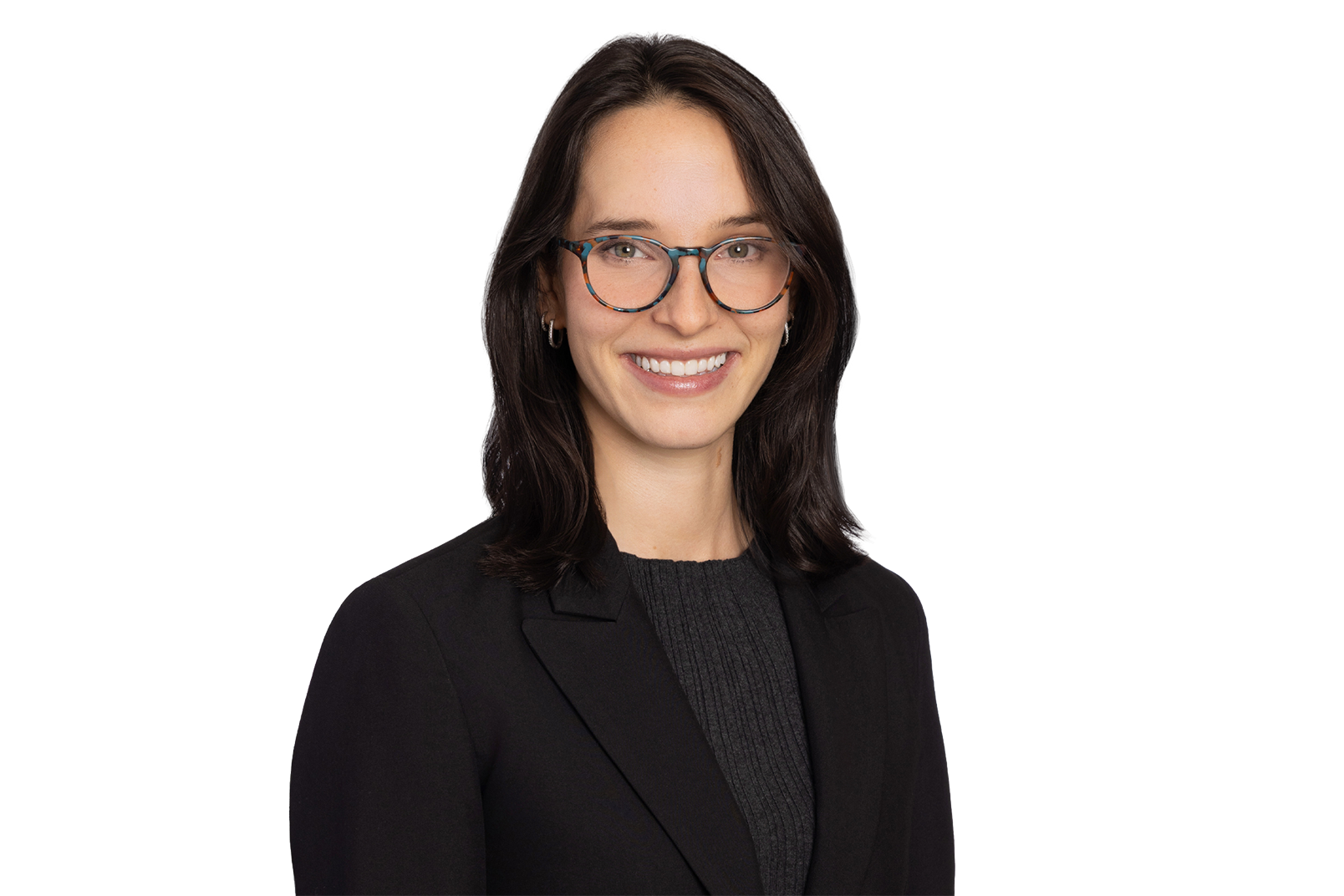
Kathryn Sachs
Associate
-
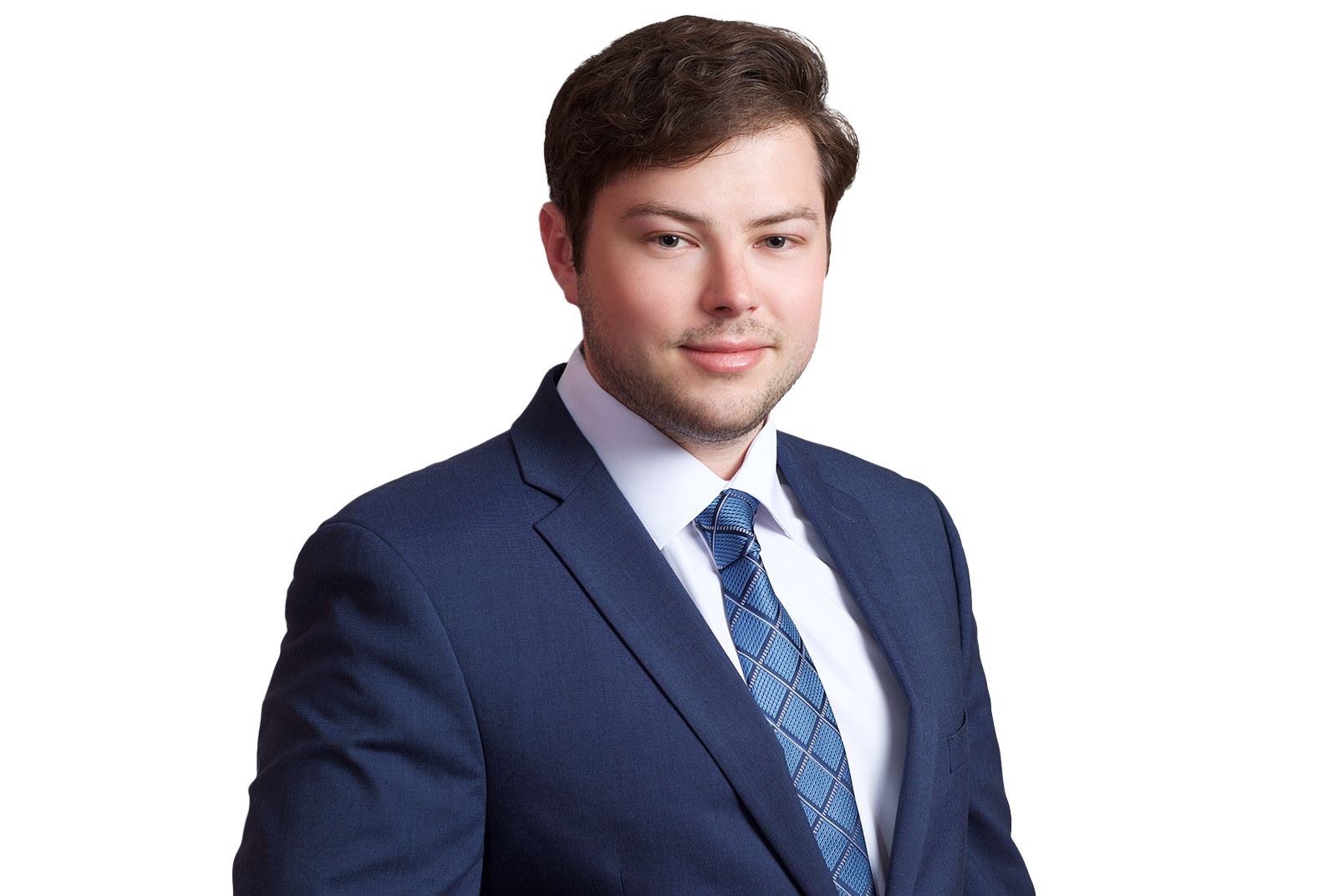
Garrett Shor
Associate